



So I was thinking about how many folks in the Solana ecosystem kinda overlook the power of tracking their transactions and tokens properly. Seriously, it’s like owning a car but never checking the odometer—sure you drive, but do you really know what’s under the hood? Wow! When I first started staking and dabbling in DeFi on Solana, I didn’t pay much attention to my transaction history. I mean, it felt secondary to just making gains, right? But then, something felt off about how messy my portfolio looked after a few weeks of hopping between tokens and apps.
Here’s the thing. Solana transactions move lightning fast, and if you’re not careful, your history becomes a jumbled mess. Unlike Ethereum’s slower but more transparent ecosystem, Solana’s speed can be both a blessing and a curse for portfolio tracking. Initially, I thought, « Hey, I’ll just use any generic wallet or explorer. » But then I realized those tools didn’t show the full picture of my SPL tokens or staking actions. On one hand, you want real-time updates; though actually, without proper tools, you’re flying blind.
Okay, so check this out—when you’re juggling multiple SPL tokens, each with their own mint addresses and metadata quirks, understanding your portfolio’s true value is trickier than it looks. It’s not just about token quantity but also about the token’s current utility and staking status. My instinct said, « There’s gotta be a better way to visualize all this. » And guess what? That’s where Solflare truly shines.
I’m biased, but Solflare’s approach to transaction history and portfolio tracking on Solana feels way more intuitive and detailed than most alternatives. For example, their interface doesn’t just list transactions; it contextualizes them—staking rewards, token swaps, airdrops—you name it. If you’ve never looked closely, this might sound like normal wallet stuff, but it’s actually very very important for anyone serious about managing SPL tokens and DeFi positions.
Now, I’m not 100% sure if every user takes advantage of this, but the integration of staking insights right alongside your token balances is a game changer. Plus, those who want to dig deeper can export their transaction history for tax purposes or personal accounting. (Oh, and by the way, exporting data from some wallets can be a pain. Solflare makes it easier.)
So yeah, transaction history isn’t just a list of past events—it’s your financial diary on-chain. You want to be able to trace each token’s journey, especially with the way DeFi protocols on Solana reward or penalize certain actions. Tracking your portfolio in a fragmented way leads to missing out on valuable info, like missed staking rewards or unnoticed token burns.
Now, let’s talk about SPL tokens themselves. These Solana Program Library tokens are like the lifeblood of the ecosystem. Unlike ERC20s on Ethereum, SPL tokens sometimes come with extra metadata, making them a bit more complex to track but richer in data. It’s fascinating how these tokens power everything from DeFi projects to NFTs and gaming economies.
However, what bugs me is that a lot of wallets still treat SPL tokens like afterthoughts—just another balance to show without any context. But Solflare breaks that mold by highlighting token details, their mint addresses, and even how they relate to your staking or liquidity positions. This level of transparency helps avoid confusion, especially when you’re holding dozens of tokens with similar names or symbols.
And here’s a little surprise—Solflare supports not only viewing but also managing your SPL tokens seamlessly. Whether you’re sending, receiving, or staking, the wallet keeps all your assets organized. Plus, it’s constantly updated to support new tokens and protocol changes, which is crucial in such a fast-evolving space.
Seriously, managing portfolios on Solana without a tool like Solflare feels like going fishing without a net—possible, but not smart. The wallet’s portfolio tracker provides a snapshot that’s both broad and deep, showing you current valuations, historical performance, and pending staking rewards. This is huge for users who want to optimize their DeFi strategies or just keep an eye on their asset health.
And, I gotta say, the user experience on Solflare is pretty slick. It’s not just for tech-savvy folks; even newcomers find it approachable. The design balances simplicity with power, which is rare. Plus, the option to integrate with hardware wallets adds a layer of security for those paranoid about hacks.
Check this out—
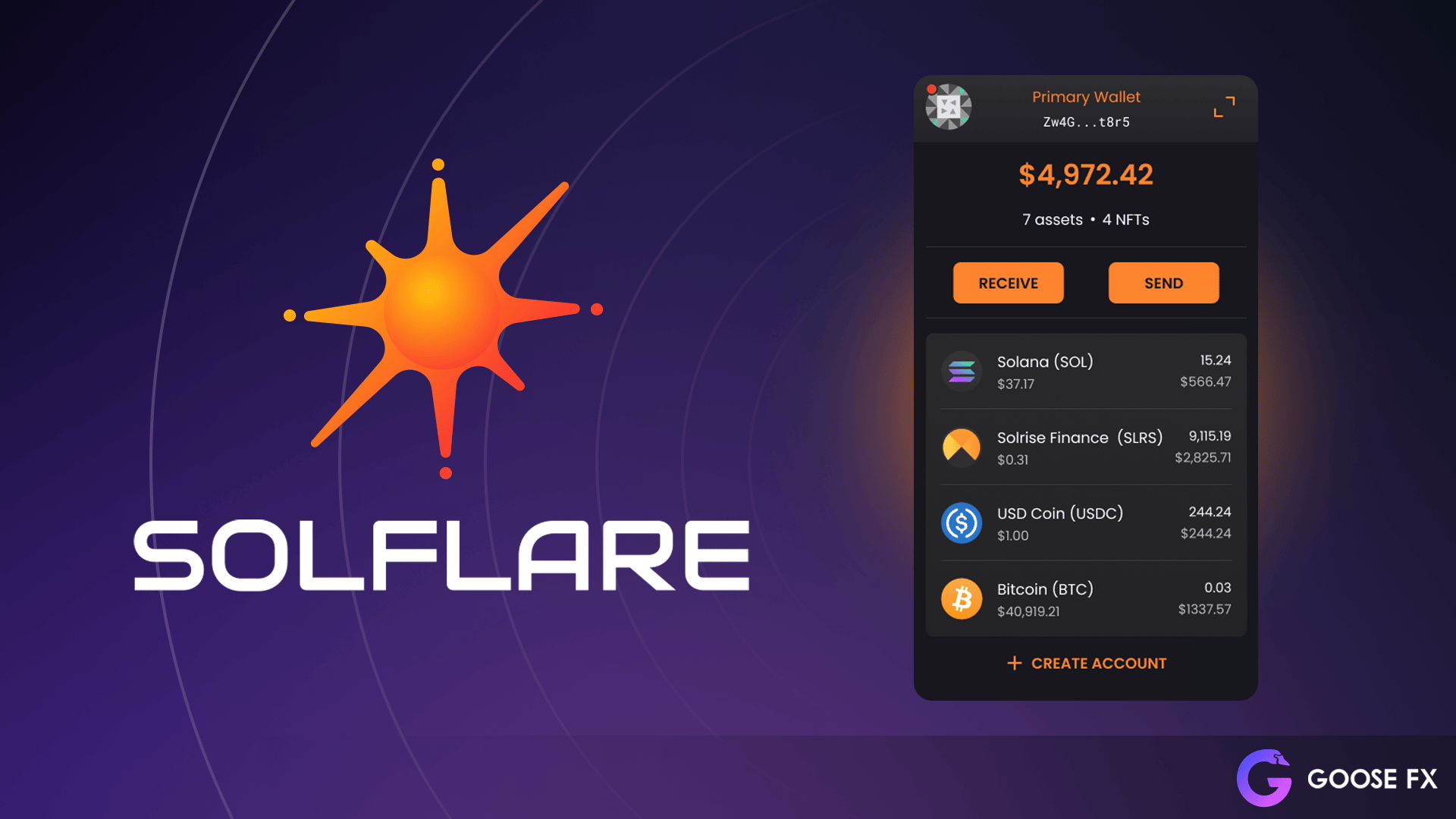
That snapshot shows how your SPL tokens and staking rewards are laid out in a single view, no clutter, no guesswork. For anyone serious about Solana DeFi, this clarity is priceless.
Now, if you’re wondering how to get started, it’s actually super easy. You can grab the solflare wallet download right from their official site. I recommend the desktop version for serious portfolio tracking, but mobile apps are handy for quick checks and transactions. Seriously, the setup’s straightforward, and linking your existing wallet or creating a new one takes just a few minutes.
One thing I’ve noticed though—while Solflare excels in many areas, the learning curve around interpreting complex transaction histories can still be steep for absolute beginners. The wallet gives you the data, but understanding what to do with it might require some digging or community help. That said, the Solana ecosystem is pretty welcoming, and support forums or Discord channels often fill in the gaps.
Also, for those who like to automate or integrate their data with other tools, Solflare’s APIs and export features are a big plus. You can pull your transaction history into spreadsheets or tax software, which is a lifesaver come April. (Trust me, that part used to be a nightmare until I found a workflow that works.)
At the end of the day, managing your transaction history, SPL tokens, and portfolio tracking isn’t just about convenience—it can literally impact your bottom line. Missing a staking reward or not realizing you’ve swapped tokens at a bad rate can cost you, especially with how volatile crypto markets are.
So yeah, if you’re in the Solana world and haven’t given much thought to your wallet’s tracking capabilities, maybe now’s the time. The ecosystem is maturing, and tools like Solflare are evolving to meet those needs head-on. Honestly, I’m excited to see where this goes next, especially as more DeFi projects and NFTs flood the network.
Oh, and before I forget—if you’re ever switching wallets or just want a better handle on your Solana assets, definitely check out the solflare wallet download. It’s saved me countless headaches and given me a clearer picture of my crypto journey.
Anyway, that’s my two cents. I still have questions about how some new SPL tokens will be tracked as the ecosystem grows, but for now, having a solid grip on transaction history and portfolio health feels like the best defense against crypto chaos. And hey, if you’re like me, always juggling half a dozen wallets and apps, consolidating into one reliable spot is a breath of fresh air.